Today
Open
10:00-18:00
Toby Kamps (Director & Exhibition Curator for Modern Art)
Angelina Isaak
Thursday, 3 September 2026, 11 am
Thursday, 3 September 2026, 7 pm
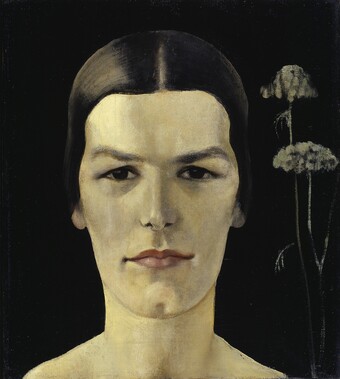
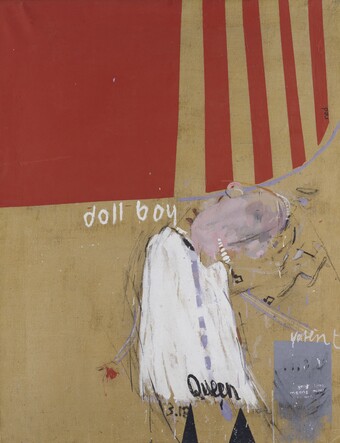
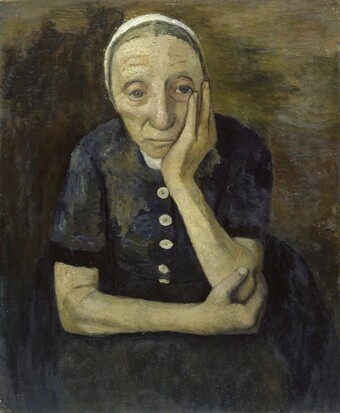
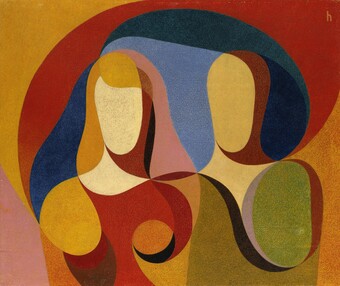
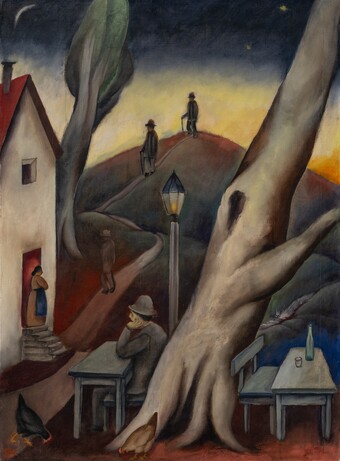
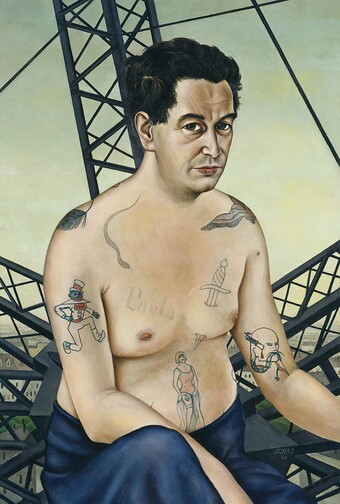
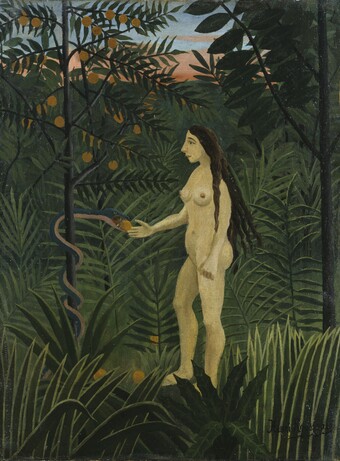
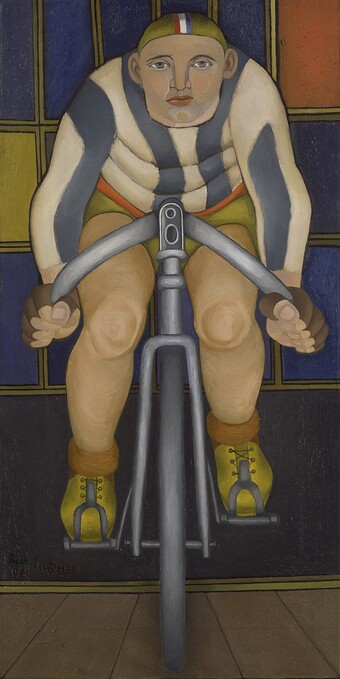
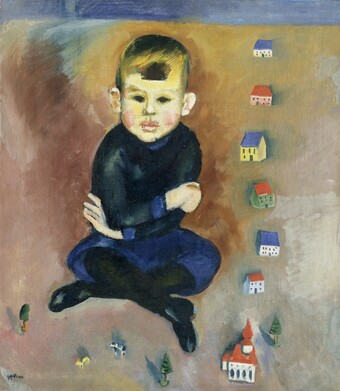
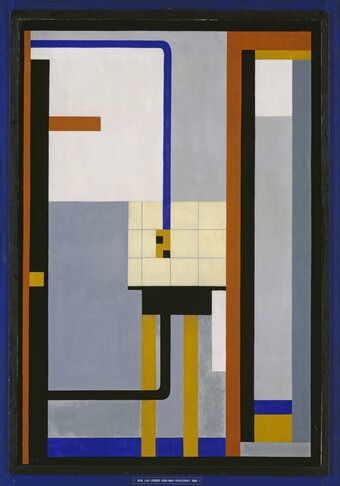
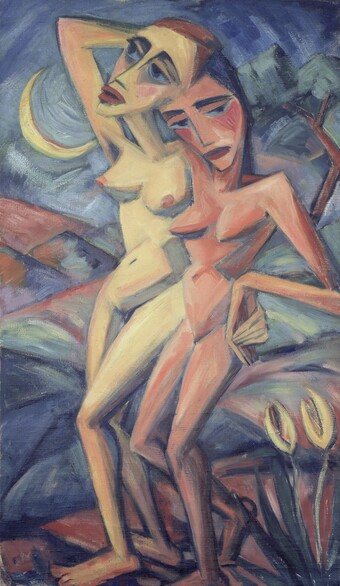
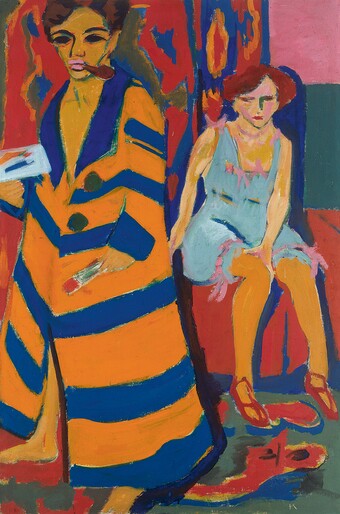
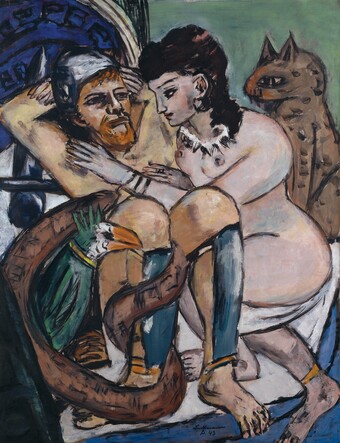
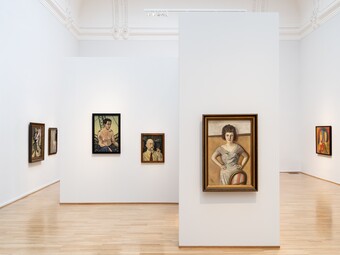
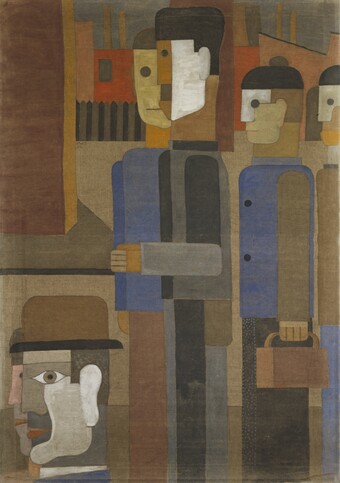
THIS IS THE MODERN WORLD: Breakthroughs in Art, 1900–1960 takes a fresh look at the Hamburger Kunsthalle’s Modern Art Collection, one of the premier collections of its kind in Germany. A selection of some 150 paintings, sculptures, prints and drawings – including both well-known highlights and special new acquisitions – illustrates the profusion of new ideas and techniques that emerged as artists broke with traditions during six decades marked by extraordinary upheavals in culture and society. A great diversity of approaches becomes apparent within the various modernist trends. Expressionism is embodied by iconic works produced by members of artist groups such as Die Brücke and Der Blaue Reiter, among them Ernst Ludwig Kirchner and Wassily Kandinsky, while the École de Paris is represented by painters such as Georges Braque and Pablo Picasso. Also featured are pioneers of early modernism such as Edvard Munch, Paula Modersohn-Becker, Lovis Corinth, Max Beckmann and Anita Rée. Joining them are artists who took up an abstract style between the wars, for example Sophie Tauber-Arp, Surrealists such as René Magritte, exponents of the New Objectivity including Christian Schad, and artists who embraced post-war Art Informel such as Wols.
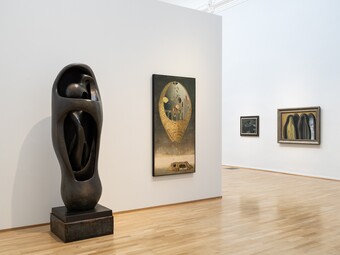
The modernist works have been rearranged in ten redesigned galleries along the museum’s circuit through eight centuries of art. The chronological presentation is now enriched by thematic groupings transcending time and place, offering new perspectives on this revolutionary era. Novel styles of abstraction and representation come to light in works that convey a changing understanding of nature and technology and also of society and human existence under the influence of the latest developments in psychology, philosophy and politics – including Nazi ideology. A gallery of works by Hamburg artists supplements the panorama of international modernism with some regional perspectives – for example harbour and city scenes. Over the course of the show, a changing selection of works from the museum’s Prints and Drawings Collection will offer further insights into artists’ working methods.
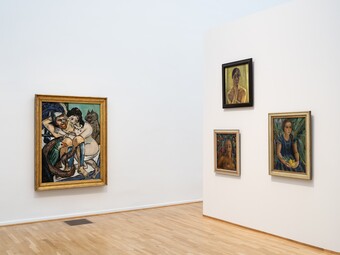
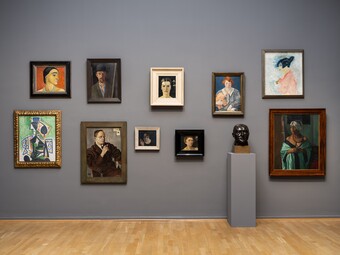
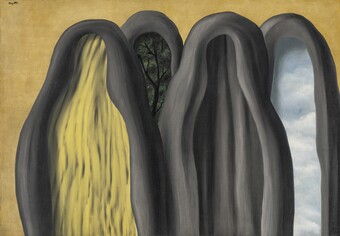
As a highlight, recent donations and significant new acquisitions are presented, including René Magritte’s key Surrealist work Le palais de rideaux (The Palace of Curtains) from 1928, which the Kunsthalle acquired in 2025. Max Beckmann (1884–1950) and Anita Rée (1885–1933) serve as the exhibition’s guiding lights, with a combined total of around 20 works on display. With their continual formal innovations and provocative ideas, these two contemporaries are considered paragons of modernism. Among the works on view by Beckmann is the Hamburger Kunsthalle’s most expensive acquisition to date: Selbstbildnis Florenz (Self-portrait in Florence, 1907), one of the first in a long series of variations on the self-portrait in the course of his career. In a direct spatial juxtaposition, Rée and Beckmanns eyes meet from the Selbstbildnis in Hittfeld (Self-portrait in Hittfeld, 1904), likewise produced at an early stage of Rées career, when she was taking painting lessons near her hometown of Hamburg. These works are accompanied by a whole series of additional, strikingly diverse portraits, hung closely together on an exhibition wall to form a dense tableau telling myriad stories from the lives of important modern masters. Among them are Karl Kluth’s Selbst mit Melone (Self with Bowler Hat, 1924), in which we encounter the artist as a dishevelled bohemian at his easel, hat perched jauntily on his head.
In addition to various group tours, the supporting and educational programme also includes audio tours in German, English and Easy German, as well as a tour for curious visitors ages 8 and up. Supplementary texts for selected works provide in-depth information on their background and provenance. A children’s comic book from Andrea Offermann tells the true story of Wilhelm Werner, a custodian at the Kunsthalle who saved »degenerate art« –particularly paintings – from being seized by the Nazis; these works are now part of the exhibition. The evening event SALON X THIS IS THE MODERN WORLD (26 November) for (young) adults offers fresh inspiration with live music, performances and queer perspectives. In the spring of 2027, a new edition of the Kleine Reihe series focusing on selected works from the Modern Art Collection will be published –available at the museum shop or via www.freunde-der-kunsthalle.de.
THIS IS THE MODERN WORLD marks the first time that the Hamburger Kunsthalle is no longer presenting »modernism« under the label »classical modernism«, which museums usually use to distinguish between works dating from 1900 to 1960 and the »contemporary« works that came later. This points as well to our future orientation, which will be aligned along a global history of art in the first half of the twentieth century rather than the predominantly European focus of the past.
The Hamburger Kunsthalle’s commitment to building a »Modern Art« Collection dates from its opening in 1869. In particular the second director, Gustav Pauli, began collecting works by modern artists on a large scale starting in 1914, securing a number of key pieces for the museum and establishing galleries for their permanent display. His enthusiasm for modern art prompted the Nazis to dismiss him in September 1933 – and in 1937, nearly the entire collection of modern paintings at the museum was seized. Carl Georg Heise (director from 1945 onward) undertook great efforts to compensate for these heavy losses through acquisitions and to rehabilitate art that had previously been ostracised. Alfred Hentzen then continued rebuilding the Modern Art Collection beginning in 1955, adding works that reflect post-war developments. Since the 1970s, acquisitions, donations, bequests and permanent loans from private collections have continued to gradually expand the museum’s holdings from this groundbreaking period in art.